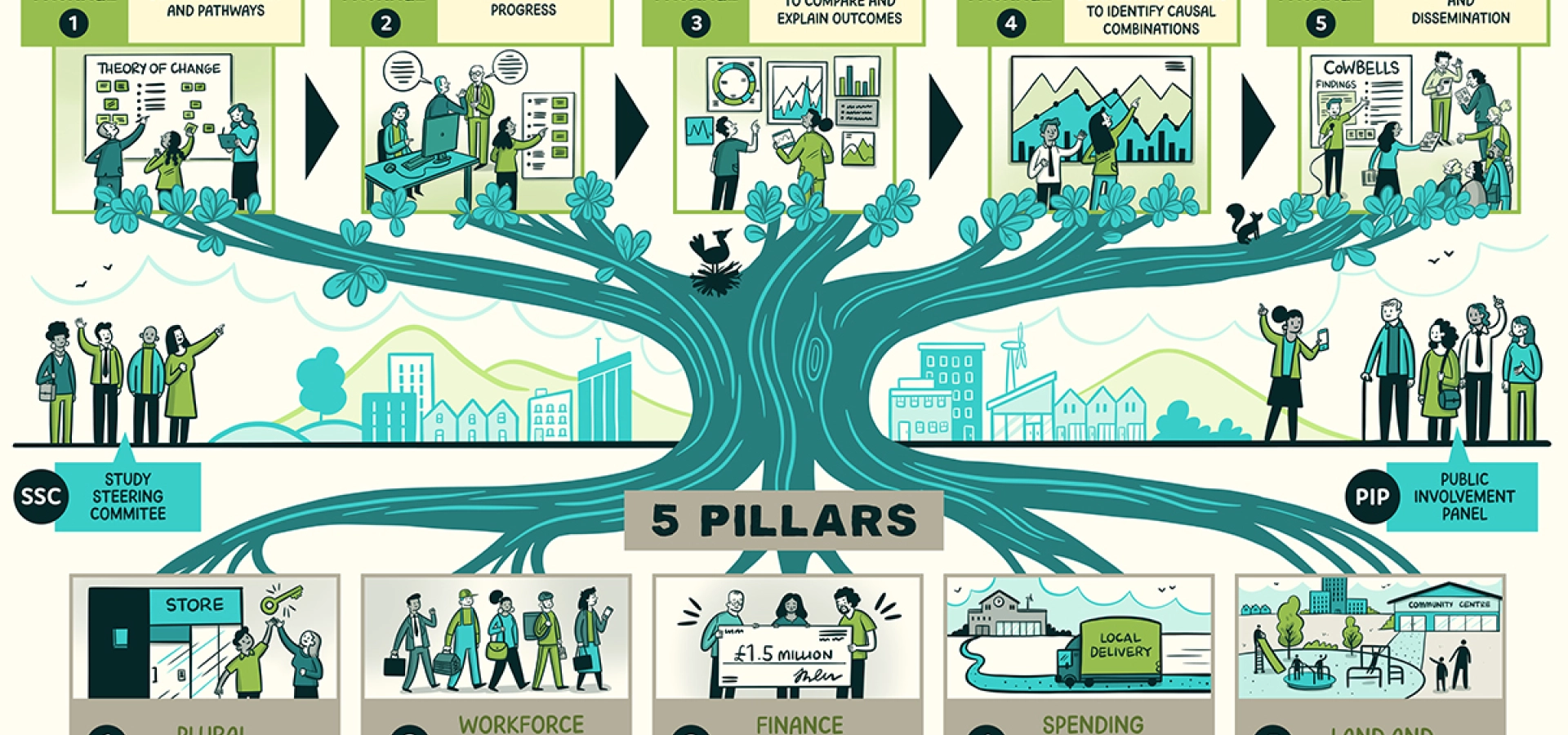
Our contribution to Scotland’s Community Wealth Building evaluation
This blog is the first in a series that will keep you updated on the progress and learning from the CoWBELLS project over the coming years. Here, Dr Jennifer McLean sets the scene and tells us more about GCPH’s involvement in the project.
Building on our interest in, and research on, community-led approaches for health improvement and patient and public involvement in research, we are pleased to be partners in ‘Community Wealth Building Evaluation – Learning Lessons from Scotland’ (CoWBELLS) – a new project examining how place‑based economic strategies can promote wellbeing and help reduce health inequalities.
Community Wealth Building (CWB) is an economic development approach that aims to retain, circulate and reinvest locally-generated wealth to benefit communities. This is an important national initiative aimed at strengthening local economies and improving public health across Scotland. Inspired by early work in Preston, CWB has gained traction in Scotland, particularly following North Ayrshire’s successful adoption from 2020. This progress led the Scottish Government to launch pilot initiatives across several local authority areas and to introduce the Community Wealth Building Bill in March 2025, which will see a requirement for all Scottish local authorities to implement a CWB action plan.
CoWBELLS is a three‑year mixed‑methods evaluation funded by the National Institute for Health Research (NIHR), led by the Yunus Centre for Social Business and Health at Glasgow Caledonian University, in partnership with the University of Glasgow, Lancaster University and the GCPH – examining the effects of CWB on health outcomes and health inequalities in six participating Scottish local authority areas.
Over the next three years, the project aims to address several key research questions through a number of work packages. These include identifying the most effective pathways through which CWB may influence community wealth, health and health inequalities, assessing local variation in implementation, and understanding the barriers and facilitators to successful CWB delivery.
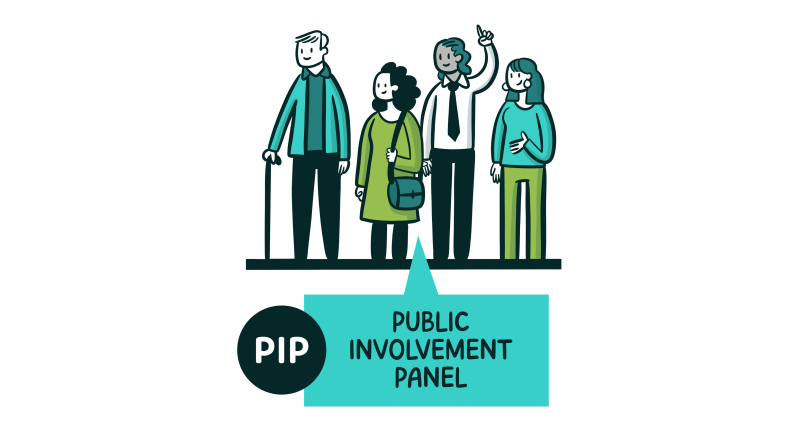
The value of the voices and perspectives of those with lived experience is becoming increasingly recognised as a crucial part of community-based research projects. Drawing on insights and learning from our involvement in CommonHealth Assets and CommonHealth Catalyst research programmes, GCPH is leading the Patient and Public Involvement (PPI) element of the CoWBELLS project and will work with a panel of individuals – our Public Involvement Panel (PIP) – who are actively engaged in organisations delivering CWB activities across the project’s local authority areas.
Our aim – and the aim of the PIP when we meet at key points throughout the project – is to make sure the voices, experiences and expertise of community members and practitioners are genuinely woven into the research. We want the PIP to be able to shape the evaluation of CWB by advising, informing and influencing the research as it develops. Working closely with the research team, this involvement will help ensure the findings are relevant and useful for those delivering CWB across Scotland, while also creating opportunities for shared learning, networking and contributing to national research.
As the CoWBELLS project gets underway and the PIP comes together for the first time, in February and March, we’re excited to share what we learn – from our PPI approach, from seeing and hearing about CWB in action, and from the real value that meaningful public involvement brings to our work.

 Previous