Disability will touch most of our lives: Why Scotland must change its language and framing
As a new political term begins in Scotland, there is a real opportunity to reshape how we talk about disability and disabled people. The words we use matter. They shape public attitudes, influence political decisions and determine whether disabled people are treated with dignity and humanity, or with suspicion, pity and exclusion.
Yesterday the GCPH published a new report exploring how disability – and disabled people – are portrayed across Scotland’s political and media landscape. For this work, GCPH commissioned communications and framing expert Nicky Hawkins, alongside invaluable collaboration with Tressa Burke at Glasgow Disability Alliance. I am incredibly grateful to both of them for the insight, compassion and expertise they brought to this work.
Although I expected some of the findings, several aspects were genuinely enlightening for me, particularly in how the language and underlying assumptions around disability were carefully and expertly unpacked by Nicky.
One of the clearest conclusions from the report is that disabled people in Scotland are frequently framed in two dominant ways: as an “unsustainable burden” or as “vulnerable people”. Opinion polling referenced in the report suggests that neither framing is likely to foster solidarity, empathy or meaningful support for disabled people. Instead, both risk reinforcing narratives that can be deeply harmful.

The “burden” framing reduces people to costs and pressures on the state, creating the conditions in which cuts to support, diminished rights, and an erosion of dignity can be more easily be justified. Meanwhile, the “vulnerable people” framing, while often well intentioned, can still reinforce the idea that disabled people are somehow separate from the rest of society – people to be pitied rather than equal citizens with aspirations, agency and expertise.
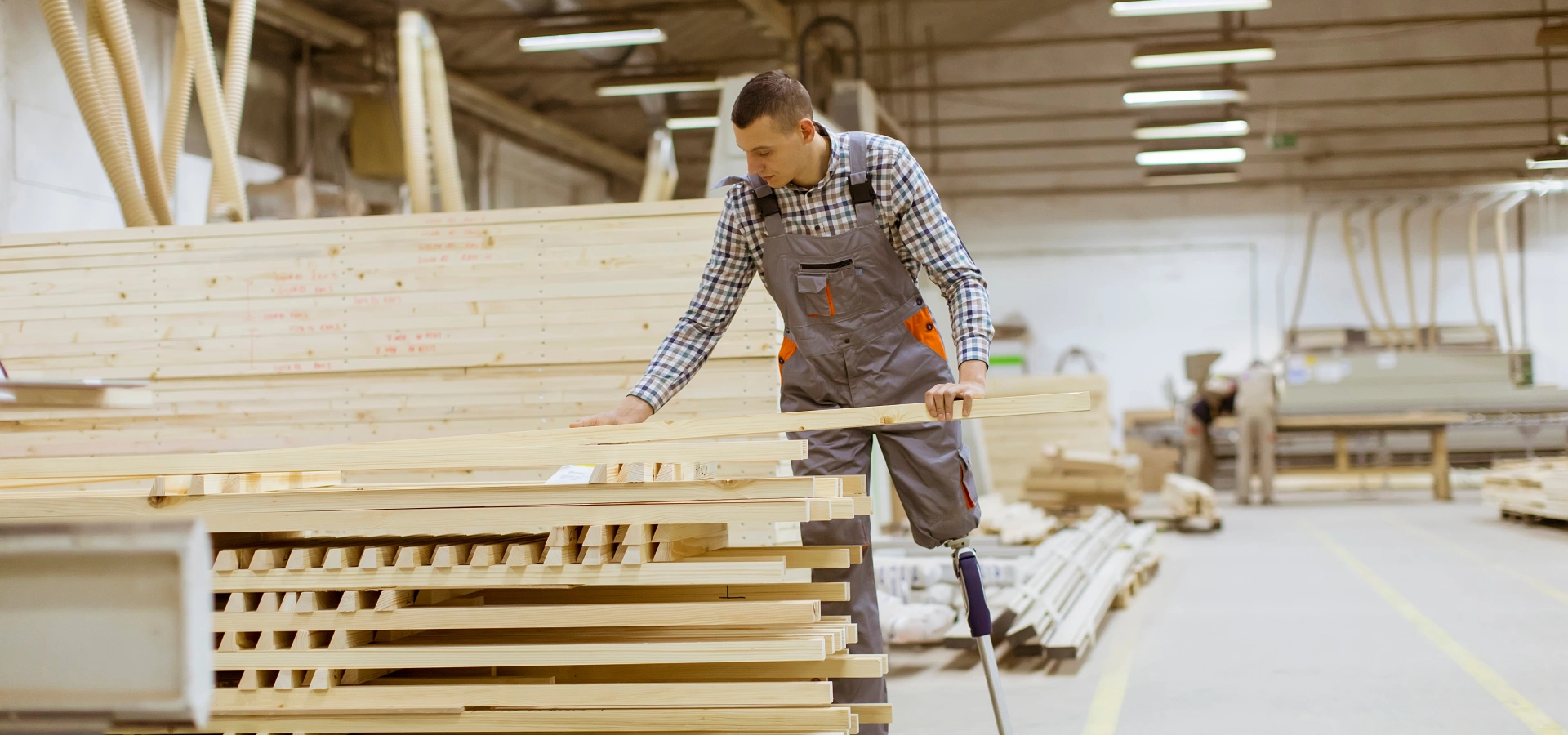
We need to ask ourselves honestly: is this the direction we want Scotland to continue in? Because disability is not marginal, rare or “other”. Disability is part of being human. The 2022 Census reports that more than a quarter of people in Scotland have a life-limiting disability. Yet disability is still too often narrowly understood as visible physical impairment alone. In reality, it encompasses a far broader range of experiences – including chronic illness, mental health conditions, neurodivergence, sensory impairments, life-limiting illness, injury and the realities of ageing. Disability is woven throughout the human experience and across the life course. Disabled people are not a separate group outside society. They are our families, friends, neighbours, colleagues – and at some point, they may be ourselves.
Despite this, disability is still too often treated as a peripheral issue in policy, rather than a central public health and social justice concern. Disabled people continue to experience profound inequalities, including barriers to healthcare, preventative services and screening, alongside higher levels of poverty, exclusion and poorer health outcomes. These inequalities are often compounded further for disabled people who are also from racially minoritised communities, LGBT+ communities, or are living in economic disadvantage.
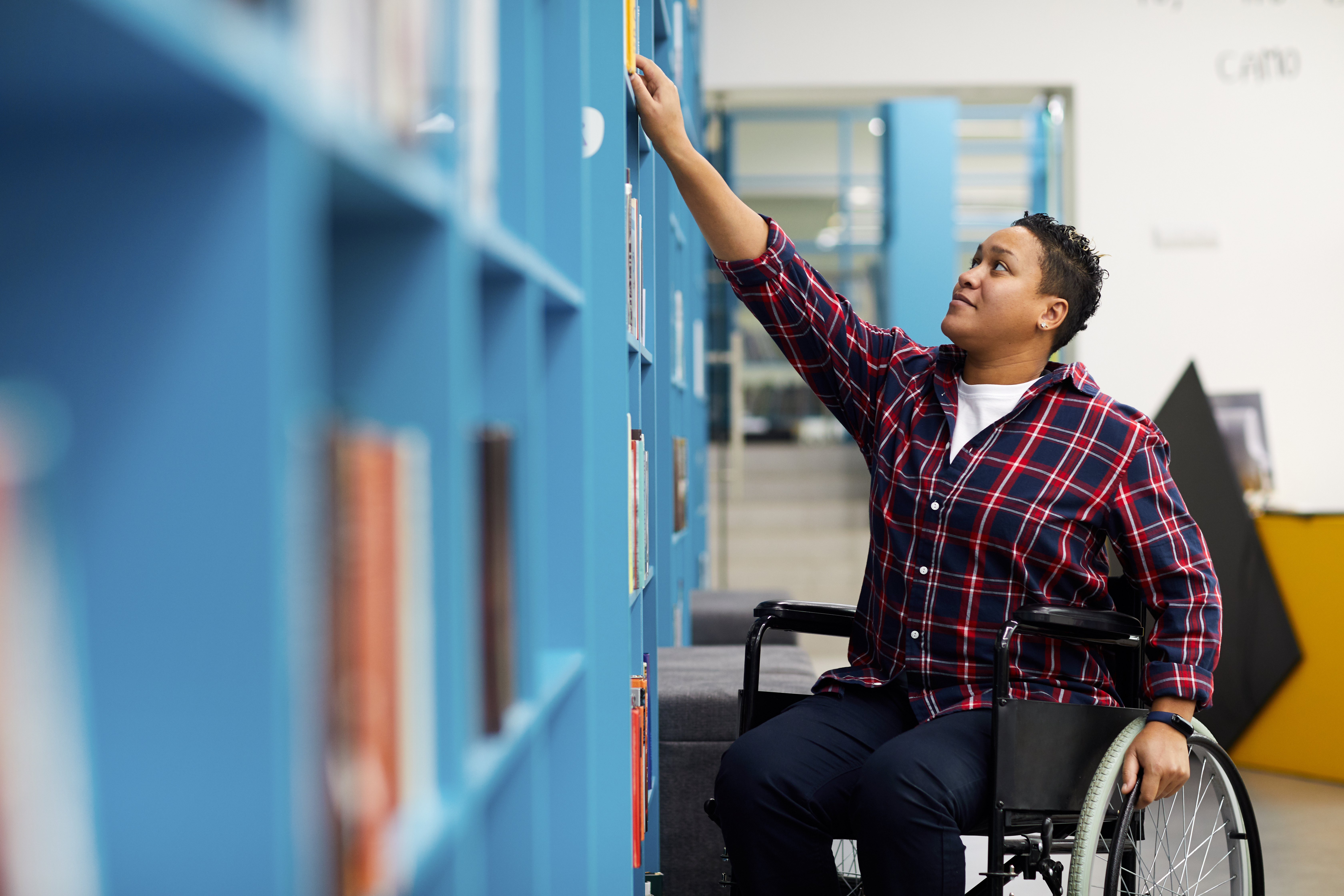
This is why disability must be recognised as a core public health priority. Improving support, ensuring accessible services and removing barriers to healthcare have the potential to transform lives and reduce inequality. But real change also depends on how we communicate. Words matter – they can humanise or dehumanise. They can unite or divide. They can foster empathy and collective responsibility, or fuel suspicion and stigma.
We urge politicians, journalists, public service leaders, charities and anyone involved in public communication to engage with this report and reflect on the alternative framings it sets out – approaches rooted in humanity, shared experience, dignity, fairness and compassion. The report makes the case for communication that truly reflects the principles and values we often claim to uphold in public health and public service reform: inclusion, participation, prevention and a commitment to reducing inequalities.
At its heart, this work asks a simple but important question: what kind of Scotland do we want to build? One where disabled people are viewed as burdens or objects of pity? Or one where they are recognised as equal citizens whose lives, rights and contributions matter?
Disability is part of being human. It can touch any of us, at any point in our lives. And if that day comes for you, how would you want society to speak about you? As a vulnerable burden? Or as a person deserving of dignity, support, respect and opportunity? I know which Scotland I want us to choose.

 Previous