Gambling harms and lived experience - John and Sarah Hartson's story
Last September, John and Sarah Hartson spoke at the Gambling Harms Summit: Standing Strong for a Safer Scotland, held at Glasgow City Chambers. Chris Harkins, Public Health Programme Manager at GCPH and author of the rapid review of evidence on problem gambling among young men, was struck by the humility and authenticity with which they spoke about John’s lived experience of problem gambling. Equally powerful was their deep and unwavering commitment to preventing gambling harms and supporting recovery - work they continue to lead through their highly regarded John Hartson Gambling and Addiction Recovery Workshops. In this guest blog, they respond to Harkins' review, and share their story. Our sincere thanks to them both.
“Gambling nearly cost me everything: why I support this review on gambling harms and young men” (John Hartson)
I am proud to say that I fully support and endorse this report on problem gambling among young men by the Glasgow Centre for Population Health.
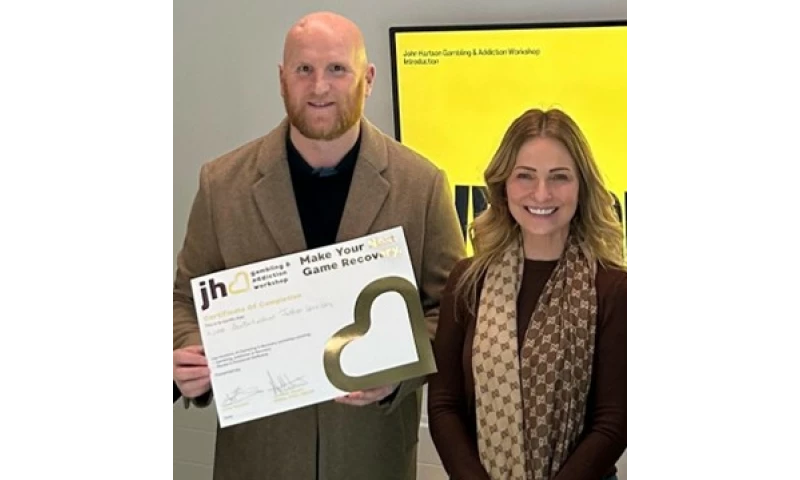
I’ve spent many years now speaking openly about gambling addiction - my own, and the experiences of hundreds of people, including young men I’ve met through the John Hartson Gambling and Addictions Recovery Workshop, which my wife Sarah and I set up together. Since October 2025 alone, we have delivered the workshop to just under 1,000 people, including 200 young men from the Royal Highland Fusiliers and 250 men within HMP Barlinnie. When I read this review, its core messages resonated deeply with me. Not in theory - but in lived experience. What the review describes is exactly what I see on the ground.
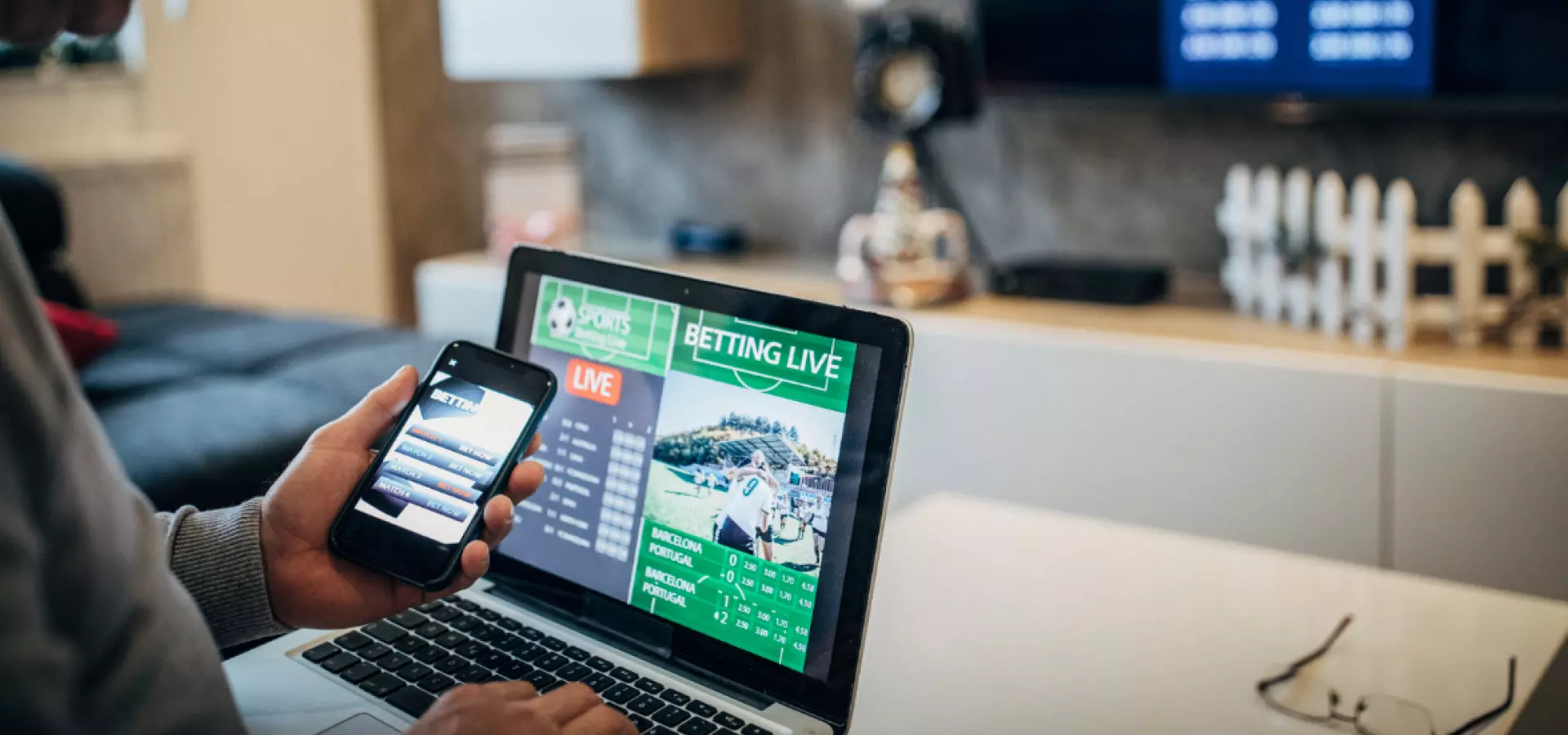
Young men today are growing up in a world where gambling is everywhere. It’s normalised through sport, on TV, across social media, and through 24/7 online gambling platforms that never switch off. Add to that constant marketing, influencer pressure, and now the emergence of crypto casinos operating outside traditional safeguards - and it becomes clear that this is not a fair fight.
This isn’t about weak individuals. It’s about a toxic and addictive landscape that traps young men into gambling. In my experience, gambling rarely comes alone. It comes with mental health struggles, alcohol misuse, substance use, stress, secrecy and shame. That pattern is something I hear again and again when delivering our recovery workshops - and it’s reflected clearly in this review. That’s why this work matters.
If policy makers and practitioners do not understand the environment young men are trying to navigate, they simply cannot provide the right support. This review helps make that landscape visible - and that alone adds huge value to prevention and recovery efforts.
My own story
The truth is simple: I was a gambling addict. And my addiction very nearly cost me my life. I first started gambling in the mid-1990s, when I was playing for Arsenal. This was long before social media, cryptocurrency or online casinos. I was a young professional footballer, living what many would see as the dream. Every day after training, I’d have a flutter. Slowly, that pattern became engrained. At first, I didn’t think I had a problem. But over time, gambling took over my life. I was thinking about it from the moment I woke up until the last thing at night. I hid it. I lied. I lived under constant stress. Gambling consumed me.
So much so that when I started developing clear signs of cancer in 2009, I ignored them. I was more focused on my next bet than my own health. I put gambling ahead of my life. The cancer escalated. I was hospitalised for weeks. And I came frighteningly close to not being here at all. This review talks about masculinity, stigma and not asking for help. That was me, one hundred percent. I didn’t talk. I didn’t ask. I thought I had to handle everything myself. When I speak to young men today, I hear the same things - just in a more pressurised, digital world.
I am incredibly grateful to say that I haven’t placed a bet in 13 years. I am in recovery thanks to the support of Gamblers Anonymous. I am also fully recovered from my health issues. I’ve beaten the odds. I’m alive. I’m well. I have six beautiful children I will see grow up. I have a happy life. And I have an amazing wife who stood by me through it all. That’s why Sarah and I are determined to do our bit - so others don’t have to walk the path we did.
“The other side of the bet: why gambling harms families too” (Sarah Hartson)
I’m writing this not just as John’s wife - but as someone who represents the many partners, children and family members who are affected by gambling, often in silence. I am truly delighted to see the publication of this rapid review of evidence by the Glasgow Centre for Population Health, and I sincerely hope it gets the attention and profile it deserves.
One thing that really stood out to me is the clear distinction it makes between problem gambling and wider gambling harms. That distinction matters deeply, because while one person may be labelled the “problem gambler”, the harm spreads far beyond them. Through John’s addiction, our entire family felt the impact. We lived with constant stress, fear, and emotional strain. When John’s health deteriorated and his cancer escalated to the point where he might not survive, I remember sitting at his hospital bedside thinking over and over again:
How did it get to this point? The answer was gambling.
The review makes a powerful point, that if gambling harms were truly quantified, the numbers would be far higher than the number of people identified as problem gamblers. That reflects my reality. Gambling has a ripple effect. It spreads through families and communities, fuelling anxiety, conflict, and often other unhealthy coping mechanisms such as alcohol and substance misuse. No one escapes untouched.
What I see now
Through the John Hartson Gambling and Addiction Recovery Workshop, I’ve met countless families and young men. One of the most heartbreaking things I see is how difficult it is for young men to even recognise that they have a gambling problem, let alone talk about how it affects their mental health, relationships and wellbeing. The stigma is real. Non-disclosure is high.
And as this review rightly highlights, that stigma is often tied up in modern expressions of masculinity - ideas about strength, control, dominance and silence that are pushed relentlessly through digital platforms and gambling ecosystems. Young men are told, from all angles, not to struggle. Not to talk. Not to ask for help. That silence causes harm. This review helps to put words around what so many families experience but struggle to explain. It helps shift the focus away from blame and towards understanding - and that is essential if recovery services and policy responses are to work.
Looking ahead
This rapid review will genuinely help us deliver our recovery workshops more effectively. It gives language, evidence and structure to experiences we see every day. And I hope it also helps governments, policy makers and service providers better understand what young men, and their families, are up against. John and I are looking ahead to 2026 with hope.
We’re committed to delivering the workshop across Scotland, supporting recovery and prevention, and doing everything we can to ensure that young men and anyone else with problem gambling, and their families, do not go through what we did. If sharing our story, and supporting work like this review, helps even one family avoid that pain, then it matters, and it’s worth doing.

 Previous