
Rethinking public health competency: embedding humility, empathy and compassion
In recent years, my work has increasingly brought me into closer contact with the lived realities that sit behind population health data. Producing an ethnicity profile for Glasgow City, which highlights its position as Scotland’s most diverse city, my current work undertaking a national Census analysis of LGBT+ health and wellbeing, and working in partnership with Glasgow Disability Alliance to explore both the framing of disability in public and political discourse and the lived experiences of disabled people themselves, have been both professionally significant and personally reflective. Collectively, this work has reinforced to me that diversity is not an abstract concept, but a fundamental and defining feature of our society, shaped by histories of inequality, discrimination and resilience.
While the moral, ethical and legal imperatives for addressing these issues are clear, they are also underpinned by the Public Sector Equality Duty, which requires public bodies to eliminate discrimination, advance equality of opportunity and foster good relations. For public health, equalities are not peripheral but central, shaping how health risks, access to services and outcomes are distributed across the population. This is reflected across Scotland’s key policy landscape, including the Population Health Framework, Public Health Scotland’s 10-year strategy and wider public service reform agenda, all of which emphasise prevention, fairness and reducing inequalities. Addressing equalities is therefore essential not only to meet legal obligations, but to deliver on these shared ambitions and meaningfully reduce health inequalities. This requires more than technical expertise, it must be undertaken with a genuine commitment to understanding perspectives beyond our own – to try, as far as possible, to see the world through the eyes of those whose lives, identities and experiences differ from our own. It is from this position that I have come to reflect more critically on the role of humility, empathy and compassion within public health practice.

Public health, at its core, is a profession committed to improving health and reducing inequalities across entire populations. It is a discipline grounded in evidence, systems thinking and prevention. Yet it is also, fundamentally, about people. About lives lived in vastly different circumstances. About experiences shaped by identity, inequality and structural disadvantage. If we are to take seriously our responsibility to serve the whole population, then we must also take seriously the human qualities required to do this well.
In reflecting on established public health competency frameworks across the United Kingdom, there is much to commend. These frameworks rightly emphasise technical knowledge, analytical capability, leadership, communication and ethical practice. They provide an essential foundation for a skilled and effective workforce. However, I would argue that there remains other attributes that are not always sufficiently articulated. That is the role of cultural humility, alongside empathy and compassion, as core professional attributes rather than optional or assumed qualities.
Public health is not delivered in a vacuum. It is enacted in complex social environments, shaped by power, inequality and lived experience. To work effectively within this context requires more than technical expertise. It requires a deep and ongoing commitment to understanding the lives of others, particularly those whose experiences may differ from our own. This includes people who may not look like us, who come from different cultural or socioeconomic backgrounds, and whose interactions with health and care systems are shaped by barriers that we may have never personally encountered.
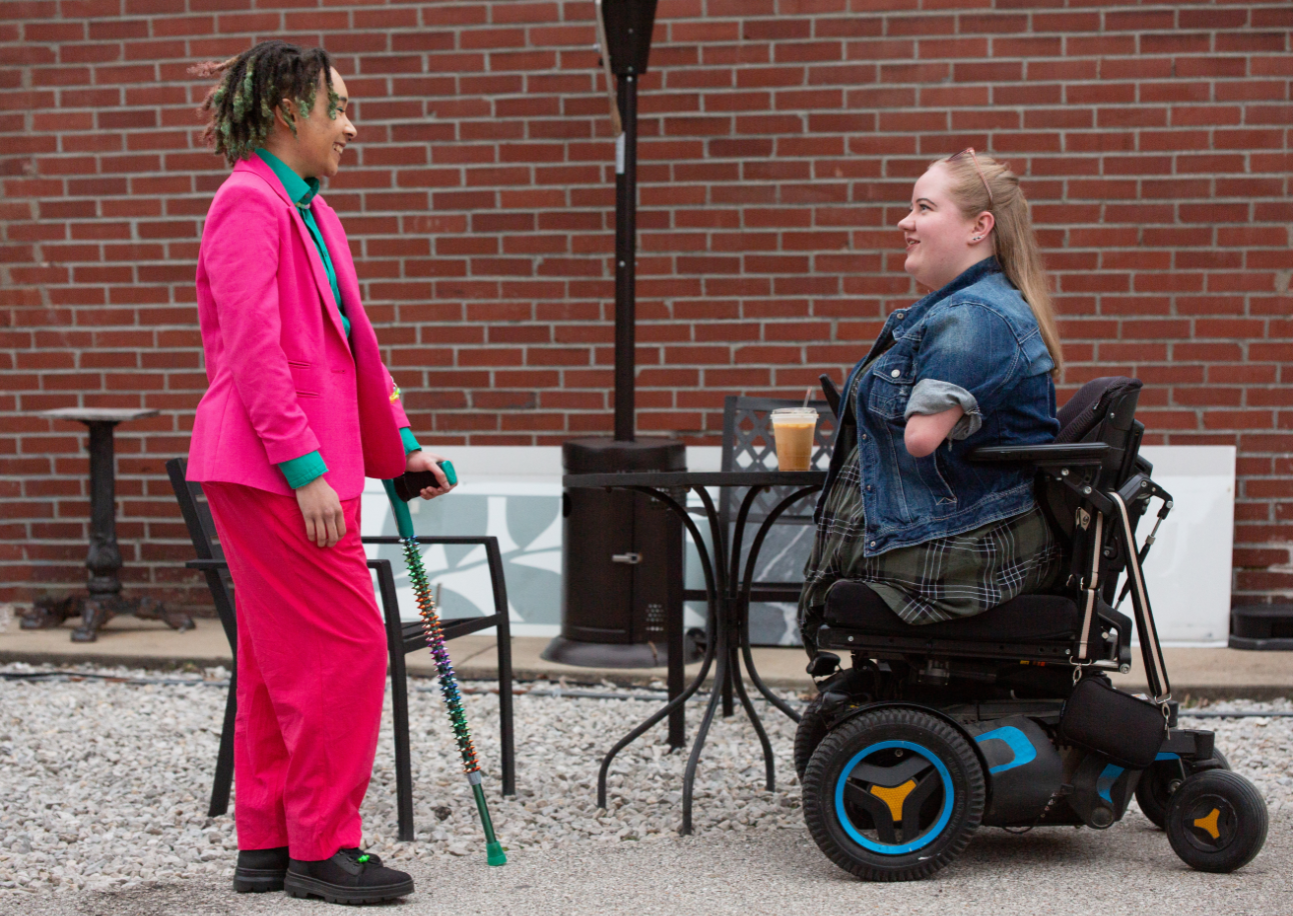
Cultural humility is especially important in this regard. Unlike cultural competence, which can sometimes imply a finite level of knowledge that can be acquired, cultural humility is an ongoing process. It requires public health professionals to recognise the limits of their own understanding and to approach communities with openness, curiosity and respect. It involves a willingness to listen, to learn and to be challenged. It also requires an awareness of one’s own identity and background and the ways in which these shape interactions, assumptions and decision making.
Empathy and compassion are closely connected to this. They are not simply interpersonal skills, but foundational elements of meaningful engagement. They enable us to move beyond abstract understandings of inequality and towards a more authentic connection with the realities people face. They allow us to work alongside individuals and communities as partners, rather than as subjects of research or recipients of intervention. In doing so, they help to build trust, which is essential for any form of effective public health practice.
In my work at the GCPH, I have seen the value of these qualities in action. I am proud of the organisation’s sustained commitment to equalities and to embodying cultural humility in how we approach our work. This has been strengthened through partnerships with organisations such as the Glasgow Disability Alliance (GDA), the Coalition for Racial Equalities and Rights (CRER), and LGBT Health and Wellbeing. These valued and trusted relationships have deepened our understanding, challenged our assumptions and enhanced the relevance and impact of our work.
In 2023, I led a piece of work in collaboration with the GDA examining the impacts of the cost-of-living crisis on the health and wellbeing of disabled people in Glasgow. This involved a series of focus groups with GDA members, all of whom were disabled. As I approached this work, I felt a degree of nervousness and unease. I was conscious that the impacts of the cost-of-living crisis might seem self-evident. I was concerned about the risk of exploiting participants’ experiences, and aware of the possibility of research fatigue among individuals who are too often asked to share their stories without seeing meaningful change.
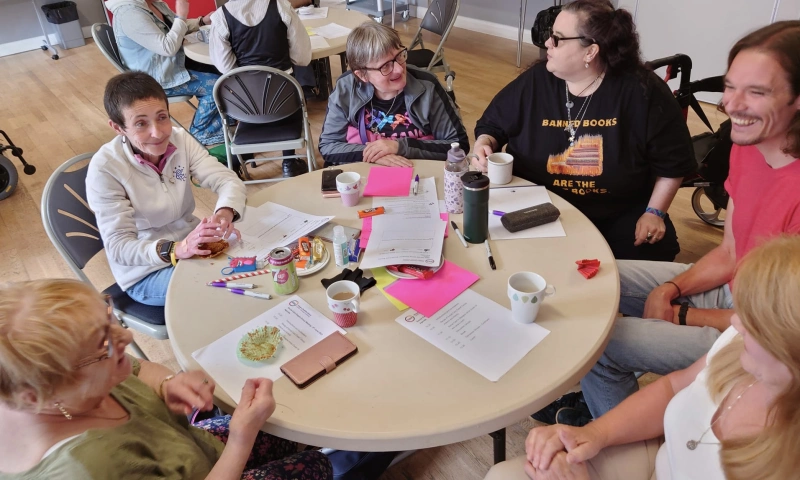
What followed, however, was one of the most powerful experiences of my career. From the outset, I was welcomed by GDA staff and members in a way that felt genuinely respectful and trusting. The discussions did not shy away from the harsh realities of poverty or the hidden costs associated with disability. They were also rich with insight, honesty and depth. There was a palpable sense of mutual support, alongside moments of humour and warmth that I had not anticipated but will never forget.
I left those sessions with a level of understanding that could never have been achieved through data or evidence reviews alone. The lived experience shared by participants provided nuance, context and meaning that transformed the work. It also left me energised to ensure that this insight translated into action.
The resulting report, co-authored with the GDA, was later presented to the then First Minister, who engaged seriously with the findings and, importantly, responded with a degree of empathy and humility that stood out. This contributed to the reinstatement of the Independent Living Fund in Scotland for disabled people with complex needs. While it is important to recognise that this outcome was the result of sustained advocacy from disabled people and organisations such as GDA over many years, it was nonetheless a powerful example of how lived experience alongside actionable research findings, when listened to and acted upon, can influence policy in meaningful ways.
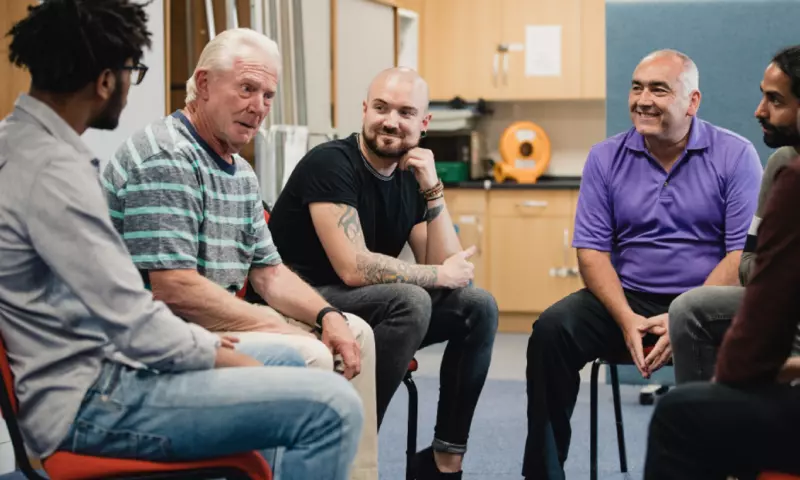
For me, this experience reinforced the importance of stepping outside one’s comfort zone and having an ongoing commitment and willingness to learn, in public health practice. It highlighted the value of engaging directly with those whose voices are often marginalised or overlooked. Most importantly, it demonstrated that cultural humility, empathy and compassion are not abstract ideals, but practical necessities. They shape how we design research, how we interpret evidence and how we translate findings into action.
As we look to the future, I believe there is an opportunity for public health to more explicitly recognise and embed these qualities within its professional frameworks. This is not about diminishing the importance of technical competencies, but about complementing them. It is about acknowledging that effective public health practice requires both intellectual rigour and emotional intelligence – on valuing evidence alongside genuine human-to-human connection and understanding.
At the GCPH, we remain committed to maintaining a strong focus on equalities and to continually striving to embody cultural humility in our work. This commitment is reflected in our ongoing and forthcoming programmes of work. In May, we will publish research on the framing of disability narratives in British society, undertaken in collaboration with the GDA. In June, we will publish a landmark Census analysis of LGBT+ health, in partnership with LGBT Health and Wellbeing. Both pieces of work are rooted in partnership, informed by lived experience and shaped by a desire to better understand and address inequalities.
If public health is to fulfil its mission of improving health for all, then it must continue to evolve. This includes not only advancing our technical capabilities, but also deepening our capacity to listen, to learn and to connect. Cultural humility, empathy and compassion should not sit at the margins of our practice. They should be recognised as central to it.
In the end, our greatest strength in public health may not lie in what we know and our skills and accomplishments, but in how deeply we are willing to truly understand, connect with and stand alongside one another.

 Previous