Problem gambling and gambling harms: a public health priority
 Communities, Health and Care, Inequalities, Poverty, Other
 Jul 2024 - Ongoing
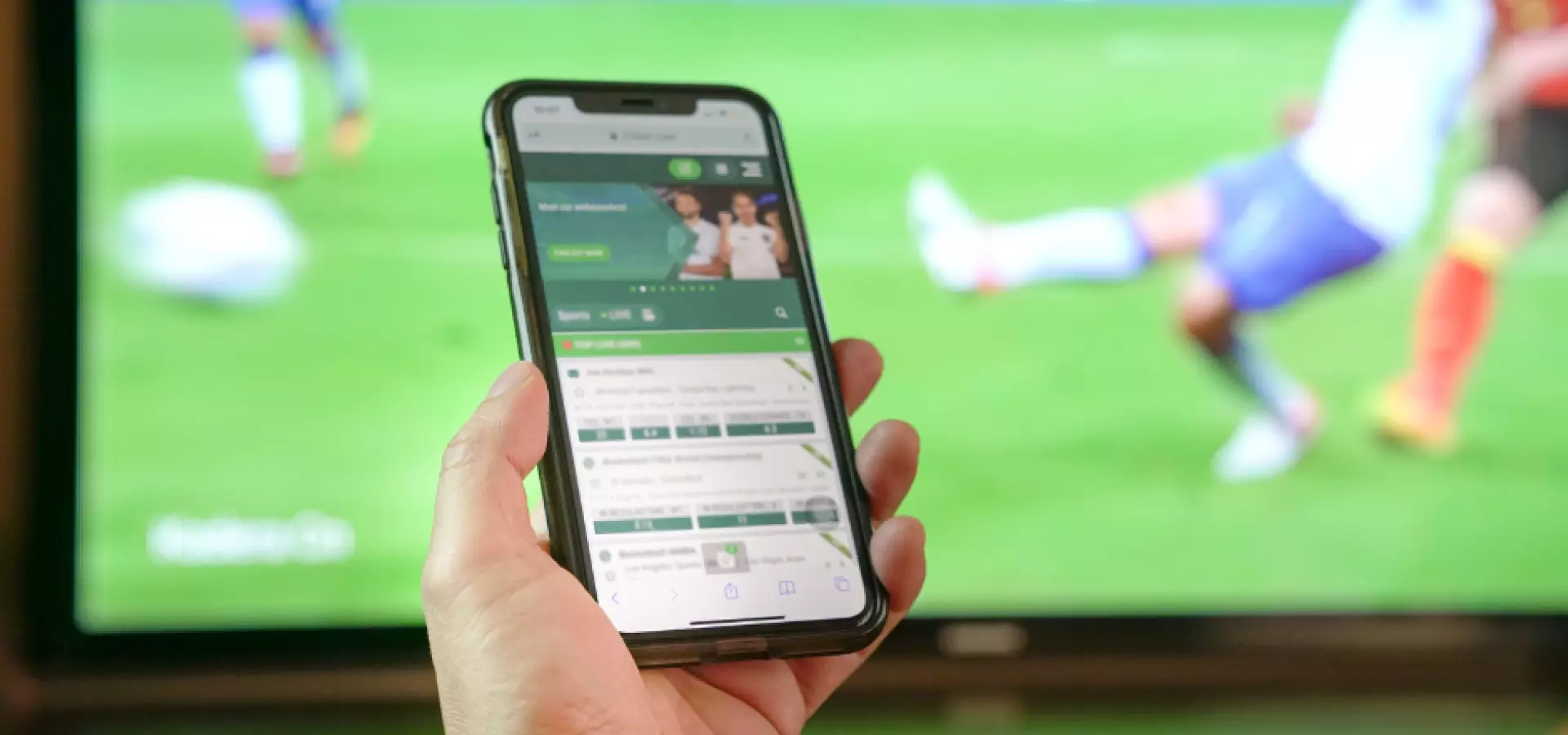
Gambling has long been embedded within social and cultural life; however, its rapid digital transformation over recent decades has significantly increased both its accessibility and its potential for harm. The expansion of online platforms, intensified marketing practices and the integration of gambling into digital and sporting environments have reshaped how, where and when gambling occurs. In Scotland and across the United Kingdom, gambling is therefore increasingly recognised as a matter of public health concern, requiring coordinated, population-level responses alongside individual treatment and support.
Problem gambling refers to persistent or recurrent gambling behaviour that results in significant distress or impairment, including financial hardship, relationship breakdown and deteriorating mental wellbeing. Gambling disorder is formally recognised as a behavioural addiction, reflecting shared characteristics with substance-related disorders, including impaired control and continuation despite adverse consequences.
The broader concept of gambling harms extends beyond diagnostic thresholds to encompass the adverse impacts experienced by families, workplaces and communities. These harms are socially patterned and influenced by structural, commercial and cultural determinants, including socioeconomic disadvantage, digital exposure and trauma. A proportionate public health response must therefore address both individual need and the wider environments that shape vulnerability.
 Overview of page
 Project objectives
GCPH seeks to strengthen Scotland’s response to problem gambling and gambling harms through:
- Applying rigorous evidence and public health analysis to complement and enhance existing national approaches to prevention, regulation and recovery.
- Identifying population subgroups with heightened vulnerability, including those whose gambling behaviours may be shaped by specific cultural, commercial, digital or socioeconomic influences.
- Integrating lived experience perspectives, particularly from individuals and communities disproportionately affected by harm, to inform policy development, service design and preventative strategies.
 What is involved
GCPH’s contribution to this agenda encompasses:
- Synthesising and critically appraising emerging research, including evidence relating to digital gambling ecosystems, marketing exposure, health inequalities and addiction pathways.
- Providing public health leadership and knowledge exchange, supporting policymakers, practitioners and community organisations to interpret and apply evidence in a coherent and proportionate manner.
- Highlighting structural and environmental determinants of harm, recognising that gambling-related risk is shaped not solely by individual behaviour but by the wider cultural, economic and regulatory landscape.
Through this work, GCPH aims to support upstream prevention, reduce inequalities in harm, and strengthen trauma-informed and holistic recovery responses across Scotland.
 Project outputs
Publications & Documents
-
Characterising young men at risk of problem gambling
-
Cryptocurrency gambling platforms
-
Estimating the prevalence of gambling and problem gambling among young men
-
Gambling-like features within video games
-
Problem gambling, trauma, mental health, substance use and violence
-
Social media influencers and "flexing culture"
-
Social media targeted promotion of gambling
-
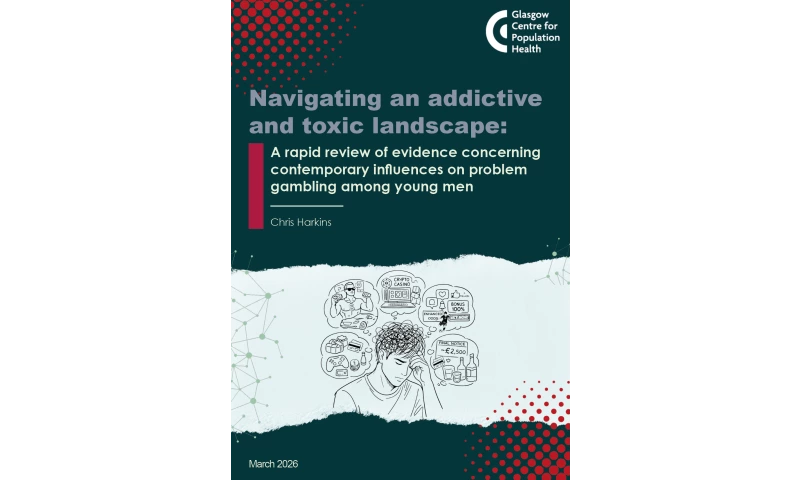
Navigating an addictive and toxic landscape
-
Concept explainer: Problem gambling
News



 Further resources & reading
Readers may wish to consult the following national and sectoral resources:
- Public Health Scotland - Healthcare Needs Assessment of Gambling Harm in Scotland (2025)
- Alliance Scotland - awareness of, and advocate for, a public health approach to tackling gambling harm in Scotland.
- RCA Trust - specialist prevention, advocacy and support services
- John Hartson Gambling and Addictions Workshop - lived-experience-informed awareness and recovery workshops

 Previous